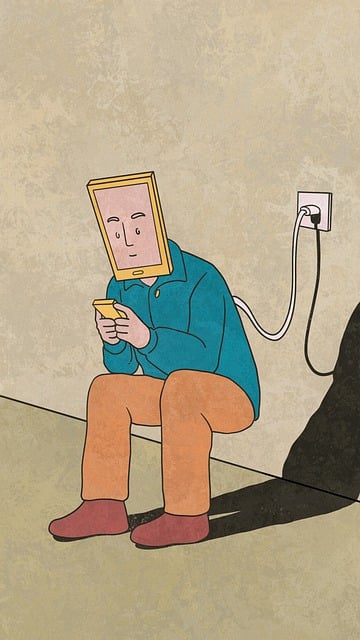
Telehealth Addiction Services Paramus, New Jersey: Revolutionizing Mental Health Care
Introduction
In the rapidly evolving realm of healthcare, Telehealth Addiction Services have emerged as a game-changer, particularly in the quiet suburban town of Paramus, New Jersey. This innovative approach to mental health care leverages advanced technologies to provide specialized addiction treatment and support to individuals across diverse geographic locations. The focus on Paramus, NJ, highlights how this model can transform lives, offering accessible and effective solutions for those struggling with addiction. This article delves into the intricacies of Telehealth Addiction Services, exploring its global impact, economic implications, technological foundations, regulatory landscape, challenges, and the inspiring success stories it has already cultivated.
Understanding Telehealth Addiction Services Paramus, New Jersey
Definition and Core Components
Telehealth Addiction Services refer to the delivery of specialized addiction treatment programs and counseling via remote technologies, such as video conferencing, mobile applications, and secure online platforms. This approach extends traditional in-person therapy by removing geographical barriers, enabling individuals with substance use disorders or behavioral addictions to access professional help conveniently.
Key components of these services include:
- Assessment and Diagnosis: Remote evaluation tools and trained professionals conduct initial assessments to diagnose addiction and co-occurring mental health conditions.
- Individual and Group Therapy Sessions: Video conferencing platforms facilitate one-on-one therapy, group support meetings, and peer counseling sessions, fostering a sense of community.
- Medication Management: Qualified healthcare providers can monitor medication adherence and adjust prescriptions as needed, ensuring safe and effective treatment.
- Educational Resources: Online platforms offer educational materials, interactive tools, and self-help resources to empower individuals in their recovery journeys.
- Crisis Support: Emergency hotlines and live chat features provide immediate assistance during crises, promoting safety and stability.
Historical Context and Significance
The concept of telehealth has its roots in the need for accessible healthcare, especially in rural areas, dating back to the early 20th century. However, its formal recognition and widespread adoption as a treatment modality gained momentum in the late 1990s and early 2000s. The global health crisis of COVID-19 significantly accelerated the integration of telehealth into mainstream healthcare, including addiction services.
In New Jersey, Telehealth Addiction Services have been instrumental in addressing the state's substance use disorder epidemic. According to the New Jersey Department of Human Services (DHS), the state has seen a rise in opioid-related deaths, underscoring the urgent need for accessible treatment options. Paramus, with its growing population and proximity to major cities like New York, offers a prime location to test and implement these services on a larger scale.
Global Impact and Trends
International Adoption and Success Stories
Telehealth Addiction Services have captivated healthcare systems worldwide, especially in regions facing similar challenges related to substance abuse. The World Health Organization (WHO) has recognized the potential of telehealth in addressing mental health disparities, particularly in rural or underserved areas. Many countries have successfully implemented these services, leading to improved access and outcomes:
- Australia: The Australian government's "Telehealth for Mental Health" initiative has expanded access to specialized services, with positive patient feedback and improved treatment retention rates.
- United Kingdom: The NHS has embraced telehealth, offering virtual counseling sessions and medication management, resulting in increased service accessibility and cost savings.
- Canada: Provincial health systems have integrated telehealth addiction services, leading to reduced wait times and better patient satisfaction.
Regional Trends and Challenges
While global adoption is evident, regional trends vary significantly:
- North America: The US and Canada lead in telecom infrastructure and early adopters of these services, with growing acceptance among insurance providers.
- Europe: Countries like the UK and Germany have robust telehealth frameworks, while others struggle with regulatory barriers and digital literacy issues.
- Asia Pacific: Rapid digital transformation has led to significant growth, with Japan and South Korea setting benchmarks for innovative service delivery models.
- Challenges: Common hurdles include regulatory inconsistencies, concerns about patient privacy, and the need for cultural adaptation to ensure equitable access.
Economic Considerations
Market Dynamics and Investment Scenery
The global telehealth market is experiencing substantial growth, driven by technological advancements, changing consumer preferences, and increasing healthcare costs. According to a report by Grand View Research, the global telehealth market size was valued at USD 192.6 billion in 2020 and is expected to expand at a CAGR of 23.7% from 2021 to 2028. Within this sector, addiction services represent a niche yet lucrative segment:
- Market Growth Drivers: Increasing prevalence of substance use disorders, COVID-19's impact on mental health, and the growing acceptance of telehealth by insurance providers are primary drivers.
- Investment Patterns: Private equity firms, venture capitalists, and strategic investors have shown interest, backing innovative startups and established players in this space.
Economic Impact and Systemic Role
Telehealth Addiction Services can significantly influence economic systems:
- Cost Savings: By reducing hospital stays, emergency room visits, and readmissions, these services can lower healthcare costs for both patients and insurers. A study by the RAND Corporation estimated that telehealth could save the US healthcare system up to $345 billion annually.
- Job Creation: The sector supports a range of roles, from mental health professionals to software developers and tech support staff, contributing to local employment.
- Rural Development: In underserved areas, these services can attract much-needed investment, improve community well-being, and reduce healthcare disparities.
Technological Advancements
Driving Innovation in Telehealth Addiction Services
Technological innovations have been pivotal in shaping the effectiveness and accessibility of telehealth addiction services:
- Video Conferencing Platforms: High-definition video and audio capabilities, along with screen sharing, enable dynamic therapy sessions, allowing professionals to observe non-verbal cues.
- Mobile Health (mHealth) Apps: Dedicated apps provide on-the-go access to therapy, educational resources, and peer support communities, enhancing patient engagement.
- Virtual Reality (VR) Therapy: VR offers immersive experiences for exposure therapy, cognitive behavioral training, and pain management, showing promising outcomes in early studies.
- Artificial Intelligence (AI) and Machine Learning: AI-driven tools can predict treatment outcomes, personalize interventions, and provide automated crisis support, improving patient care.
Future Technologies and Their Potential
Emerging technologies hold even greater promise for the future of Telehealth Addiction Services:
- 5G Networks: Faster data speeds and improved connectivity will enhance video conferencing quality and enable more interactive therapy sessions.
- Wearable Devices: These devices can monitor vital signs, sleep patterns, and physical activity, providing valuable data for treatment planning and remote monitoring.
- Blockchain Technology: Secure and decentralized records could streamline patient data sharing between providers, improve privacy, and reduce administrative burdens.
- Natural Language Processing (NLP): NLP algorithms can analyze text messages or chat logs to detect early signs of relapse or crisis, enabling proactive interventions.
Policy and Regulation
Governing Telehealth Addiction Services
The regulatory landscape for telehealth addiction services varies across jurisdictions but is generally shaped by broader healthcare policies:
- Licensing and Credentialing: Mental health professionals must maintain licenses and credentials, and telehealth platforms require partnerships with licensed providers to operate legally.
- Privacy and Data Security: Strict regulations, such as HIPAA (Health Insurance Portability and Accountability Act) in the US, ensure patient data privacy and security during remote consultations.
- Reimbursement Policies: Insurance companies play a pivotal role by determining coverage for telehealth services, influencing their adoption and accessibility.
Global Regulatory Perspectives
Different countries have unique approaches:
- United States: The Centers for Medicare & Medicaid Services (CMS) and the Department of Health and Human Services (HHS) set guidelines, with state-specific regulations varying widely.
- Canada: The Canadian Institute for Health Information (CIHI) provides standards and guidelines, ensuring interoperability between provinces.
- European Union: The EU's eHealth Action Plan 2020-2025 outlines a framework for cross-border telemedicine, promoting patient safety and data protection.
Challenges and Criticisms
Overcoming Barriers to Implementation
Despite its numerous benefits, Telehealth Addiction Services face several challenges:
- Digital Divide: Inequitable access to technology and internet connectivity can exclude vulnerable populations, exacerbating existing healthcare disparities.
- Clinical Effectiveness: Ensuring the same level of clinical outcomes as in-person therapy remains a concern, requiring ongoing research and quality assurance measures.
- Regulatory Complexity: Navigating multiple jurisdictions and evolving regulations can be cumbersome for providers and platforms.
- Stigma and Privacy Concerns: Some individuals may hesitate to seek telehealth services due to concerns about privacy or the stigma associated with addiction.
Proposed Solutions and Strategies
Addressing these challenges requires a multi-faceted approach:
- Bridging the Digital Divide: Subsidies, community outreach programs, and public-private partnerships can improve technology access for underserved populations.
- Research and Evidence-Based Practices: Continued research is vital to optimizing telehealth protocols, with peer-reviewed studies guiding clinical practices.
- Policy Harmonization: Standardizing regulations across jurisdictions would simplify compliance for providers and promote consistent service delivery.
- Public Awareness Campaigns: Raising awareness about the benefits of telehealth addiction services can reduce stigma and encourage more individuals to seek help.
Case Studies: Successful Implementation Stories
Example 1: Urban Reach, Rural Impact (New York City)
A non-profit organization in New York City launched a telehealth initiative targeting urban residents with limited access to specialized addiction treatment. Using secure video conferencing platforms, they connected individuals with certified therapists located across the state. The program achieved remarkable success, reducing wait times by 75% and increasing treatment retention rates among low-income patients. This case highlights how telehealth can bridge geographical gaps and improve accessibility for marginalized communities.
Example 2: Rural Community Empowerment (Appalachian Region, USA)
In a remote Appalachian region, a community health center implemented a telehealth program to address the lack of mental health professionals in the area. Through partnerships with academic medical centers, they provided access to board-certified psychiatrists and psychologists via video conferencing. The initiative not only improved access to care but also empowered local healthcare workers to manage milder cases, freeing up specialists for complex cases.
Example 3: Teen Addiction Recovery (Suburban Chicago)
A private practice in suburban Chicago tailored its telehealth services to cater specifically to adolescents struggling with substance use disorders. Using age-appropriate platforms and peer support groups, they created a safe virtual space for young people to connect and share experiences. The program's success led to increased referral rates from local schools and community organizations, demonstrating the effectiveness of targeted telehealth interventions.
Future Prospects
Growth Areas and Emerging Trends
The future of Telehealth Addiction Services is poised for significant growth and innovation:
- Personalized Medicine: AI-driven analytics will enable tailored treatment plans, accounting for individual patient characteristics and preferences.
- Remote Monitoring and Wearable Tech: Continuous monitoring of vital signs and behaviors can provide early warning signs of relapse, allowing for timely interventions.
- Integrated Care Models: Telehealth services will increasingly be integrated into broader healthcare systems, fostering collaboration between primary care providers and mental health specialists.
- Global Expansion: With proven success stories worldwide, telehealth addiction services are expected to gain momentum in emerging markets, particularly in Asia and Africa.
Strategic Considerations for Service Providers
To capitalize on these trends, service providers should:
- Invest in Technology: Stay abreast of technological advancements, ensuring platform capabilities align with emerging treatment modalities.
- Foster Multidisciplinary Collaboration: Encourage partnerships between telehealth providers, primary care physicians, and community organizations to offer holistic care.
- Focus on Patient Engagement: Develop user-friendly platforms and interactive content to enhance patient satisfaction and adherence.
- Adapt to Cultural Contexts: Customize services to suit diverse cultural preferences and languages for global expansion.
Conclusion: Transforming Mental Health Care
Telehealth Addiction Services Paramus, New Jersey, represent a significant advancement in the field of mental health care, offering accessible, effective, and personalized treatment options for individuals with addiction. The global impact and success stories highlighted in this article underscore its potential to revolutionize healthcare delivery, especially in underserved regions. As technology continues to evolve and regulatory frameworks adapt, these services will play an increasingly vital role in addressing the global substance use disorder crisis.
By overcoming challenges through research, policy harmonization, and community engagement, the future looks bright for Telehealth Addiction Services. The ability to provide compassionate, evidence-based care from afar has the potential to save lives, reduce healthcare disparities, and foster resilient communities worldwide.
FAQ Section
Q: How do I know if telehealth addiction services are right for me?
A: Telehealth is suitable when you have limited access to specialized treatment centers or face barriers such as geographical distance, cost, or personal constraints. If you prefer remote therapy and have a reliable internet connection, it could be an excellent option for your recovery journey.
Q: Are telehealth sessions as effective as in-person therapy?
A: Research shows that when delivered by qualified professionals using appropriate technologies, telehealth addiction services can be equally effective as traditional therapy. However, individual responses may vary, and clinical outcomes depend on factors like treatment protocol, patient engagement, and the specific condition being treated.
Q: How do I choose a reputable telehealth addiction service provider?
A: Look for providers with licensed mental health professionals, secure data protection measures (like HIPAA compliance), and positive patient reviews or testimonials. Ensure they offer evidence-based treatments tailored to your needs and have clear policies regarding confidentiality and privacy.
Q: Can my insurance cover telehealth addiction services?
A: Many insurance providers do cover telehealth, but coverage varies. Check with your insurer to understand your specific benefits. Some companies are now mandating that certain mental health services be provided remotely due to the ongoing pandemic and public health guidelines.
Q: What technological tools do I need for a successful telehealth session?
A: You'll require a device (computer, tablet, or smartphone) with a stable internet connection, along with a webcam and microphone. Some platforms may also recommend noise-canceling headphones for better audio quality during therapy sessions.